Together We Figure It Out: What American Schools Can Learn From Indonesia's Team-First Classroom
The Lone Wolf Model Is Showing Its Cracks
Picture a typical American classroom during a math test. Every desk is spaced apart. Eyes stay on your own paper. Asking a neighbor anything is basically a federal offense. The message is clear: figure it out yourself, or fail trying.
For generations, this setup has been treated as the gold standard of academic fairness. But a growing body of research — and a close look at what's happening in Indonesian schools — is starting to challenge that assumption in a pretty big way.
In Indonesia, students are often expected to wrestle with hard problems together before they're ever assessed individually. It's not a workaround or a soft option. It's the actual pedagogy. And the critical thinking outcomes? They're hard to argue with.
What "Collaborative Learning" Actually Looks Like in Indonesian Schools
Let's get specific, because "group work" in the American sense often means one kid does everything while three others watch. That's not what's happening here.
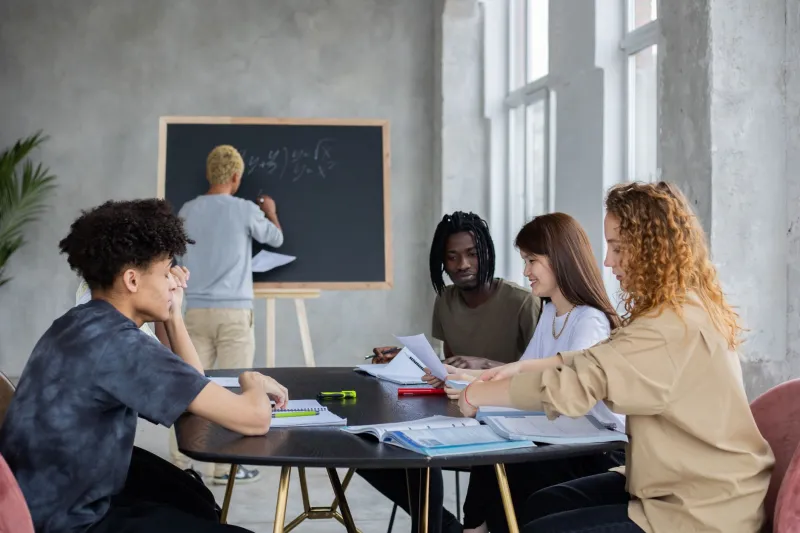
In many Indonesian classrooms — especially at the junior and senior high school level — teachers use a structured approach called diskusi kelompok (group discussion) that's baked into the lesson plan from day one. Here's how it typically unfolds:
Step 1: The problem comes first, the explanation comes second. Rather than lecturing students on a concept and then handing them a problem to practice, Indonesian teachers often flip the order. A complex, open-ended question gets dropped into the room. Groups of four or five students have to sit with the confusion together before any formal instruction happens.
Step 2: Every voice has a job. Roles rotate. One student might be the recorder, another the challenger (whose literal job is to question every assumption the group makes), and another the presenter. Nobody gets to coast.
Step 3: The group presents, then defends. After working through a problem, groups don't just hand in an answer — they explain their reasoning to the class and field questions. This means every student has to understand the why, not just the what.
Step 4: Individual reflection closes the loop. Here's where accountability comes back in. After group work, students often write individual summaries or answer follow-up questions solo. This catches anyone who was mentally checked out during the collaboration.
The Research Actually Backs This Up
This isn't just anecdotal. Peer learning research has consistently shown that students who explain concepts to each other retain information more deeply than those who receive the same explanation from a teacher. The process of putting knowledge into your own words — and having a peer push back on it — forces a kind of cognitive engagement that passive listening simply doesn't.
A landmark study published in Science found that students in active, collaborative learning environments scored significantly higher on conceptual assessments than those in traditional lecture-based classes — even when the lecture was delivered by a highly rated instructor.
What Indonesian schools have done, perhaps intuitively, is design a system that makes this kind of deep processing the norm rather than the exception. The social pressure of explaining yourself to your peers turns out to be a remarkably effective learning motivator.
Why American Classrooms Resist This (And Why That Resistance Makes Sense)
Let's be honest about the pushback, because it's legitimate.
American education is deeply shaped by meritocratic ideals. Parents want to know their kid's grade reflects their kid's effort. Teachers worry that group grades mask individual gaps. Standardized tests — the SAT, AP exams, state assessments — are all solo performances. Preparing students for a collaborative model while the accountability system rewards individual scores creates a real tension.
There's also the classroom management reality. Structured group work is genuinely harder to run than a quiet room of students working independently. When it goes wrong, it goes visibly wrong.
None of this means the collaborative model should be dismissed. It means it needs to be adapted thoughtfully rather than copy-pasted wholesale.
Practical Moves US Educators (and Students) Can Actually Use
You don't need to overhaul your entire classroom to borrow the best parts of this approach. Here are some concrete starting points:
Try "Problem First" Openers
Before introducing any new concept, give students a problem they can't fully solve yet — and let them struggle with it in small groups for five to ten minutes. You're not expecting them to get it right. You're priming their brains to receive the explanation that follows. The confusion is the point.
Assign Roles That Rotate Weekly
If group work in your class tends to default to one person leading, try assigning structured roles: facilitator, skeptic, recorder, presenter. Rotate them every week so students can't settle into a comfortable dynamic. The skeptic role in particular builds the kind of questioning instinct that makes for strong critical thinkers.
Use "Group Process, Individual Product" Assessment
Let students collaborate on understanding and working through a problem, then require each person to submit their own written explanation of the solution. You get the cognitive benefits of peer learning without losing individual accountability. Teachers can quickly spot who understood the material and who was carried by their group.
Build in Peer Questioning Sessions
After a group presents their work, open the floor for two minutes of peer questions before the teacher says anything. This mirrors the Indonesian classroom dynamic of defending your reasoning — and it's a low-stakes way to build the kind of intellectual confidence that standardized tests alone can't develop.
For Students Working Without Teacher Buy-In
If your school isn't there yet, you can still use these strategies in your own study group. Before your next exam, try explaining every concept out loud to a study partner as if they've never heard it before. Have them ask you "but why?" at every step. It feels awkward at first. It works incredibly well.
The Bigger Picture
The point here isn't that Indonesian education is perfect — no system is. But the cultural instinct to solve hard things together before being judged individually reflects something worth paying attention to.
American classrooms have spent decades optimizing for individual performance measurement. What they've sometimes traded away in the process is the messy, generative experience of thinking out loud with other people — which, ironically, is exactly the skill most workplaces and real-world problem-solving situations actually demand.
The good news is that these approaches aren't mutually exclusive. You can hold students accountable as individuals and build in structures that make collaborative thinking a habit. The Indonesian classroom doesn't abandon individual assessment. It just makes sure students have done some serious thinking together before they get there.
That sequencing — struggle together, then prove it alone — might be one of the more quietly powerful ideas in education right now. And it's available to any classroom willing to try it.